Answers to Your Questions About Chapter 13 Repayment Plans
When you file bankruptcy, you must choose which type of bankruptcy you want to pursue. These categories, known as chapters (of the bankruptcy code), each have different rules and different…

When you file bankruptcy, you must choose which type of bankruptcy you want to pursue. These categories, known as chapters (of the bankruptcy code), each have different rules and different…
 Most Americans know that a high debt load and ongoing credit problems could prevent them from being approved for new credit. But did you know that it could also jeopardize your employment potential?
If the idea of your debt impacting your job — or future promotions — is new, here are five reasons that employers could be wary of those with a worrisome credit history.
1. You May Experience More Temptation to Steal
 Any American suffering from a financial emergency — whether it be job loss, expensive medical treatment, a divorce, or other challenges — must decide how to handle the increasing pressure. Many turn to sources of money and credit in order to keep going. And while some willingly turn to legal tools like bankruptcy, that can be a hard call for many others.
If you find yourself hesitant about seeking bankruptcy protection even though this may become inevitable, knowing how to tap the right funds — and avoid the wrong money source — is vital. Use this short guide to learn about the do’s and don’ts of using sources of cash and credit in this difficult time.
Don’t Raid Your Retirement
Retirement savings can be one of the most tempting sources of quick cash if you can’t pay your bills. But this is one of the last sources you should actually raid — for several reasons. (more…)
 No one enjoys dealing with the IRS tax collection process, so few people are well-versed in tax collection terminology. But when you find yourself entangled in unpaid tax debts, you need to understand what all the various terms mean and how they affect you. To help you navigate your own debt challenges, here is a short guide to six key terms you’ll encounter along the way.
1. CP14 Notice
The IRS has a wide variety of form notices and letters to convey different messages to taxpayers. One important notice for collections purposes is known as CP14. (more…)
Are you unable to pay your old tax debts? Many taxpayers find themselves struck in this situation for a variety of reasons. But the resulting stress and financial damage can…
The decision to declare bankruptcy is not an easy one. However, if you've been having creditors call and otherwise contact you non-stop for payment you don't have, bankruptcy may feel…

Are you planning to file for bankruptcy protection? You have a number of things to accomplish and things to avoid doing before you actually put in your claim for bankruptcy. One of the biggest items on your to do list right now should be preparation of your unfiled tax returns with your bankruptcy attorney advising just when to file these. Why is this so important? Read this blog to learn are a few key reasons to file beforehand.
1. It Will Be Mandatory

Going through financial hard times is stressful, but what’s even more worrying is accepting that you are insolvent. You need to know when to file for bankruptcy to avoid losing your assets. Unfortunately, most people neither assess their financial situation regularly nor make the necessary adjustments until the time is too late. Failure to file for bankruptcy could get you into a deeper problem that could have been avoided.
This guide highlights signs you should file for bankruptcy. Keep reading.

Have you received notice of an IRS examination of your tax returns? While few taxpayers ever get audited by the tax agency, the experience can be very stressful to those who are. You may wonder how you triggered an audit or what you’ve done wrong to cause this to happen.
The truth is that many audits should not be taken as a personal affront to your honesty, your record-keeping, or your math. These types of audits are often triggered by a few key actions that may not even have anything to do with you. Here are four of the most common scenarios that may be out of your control.
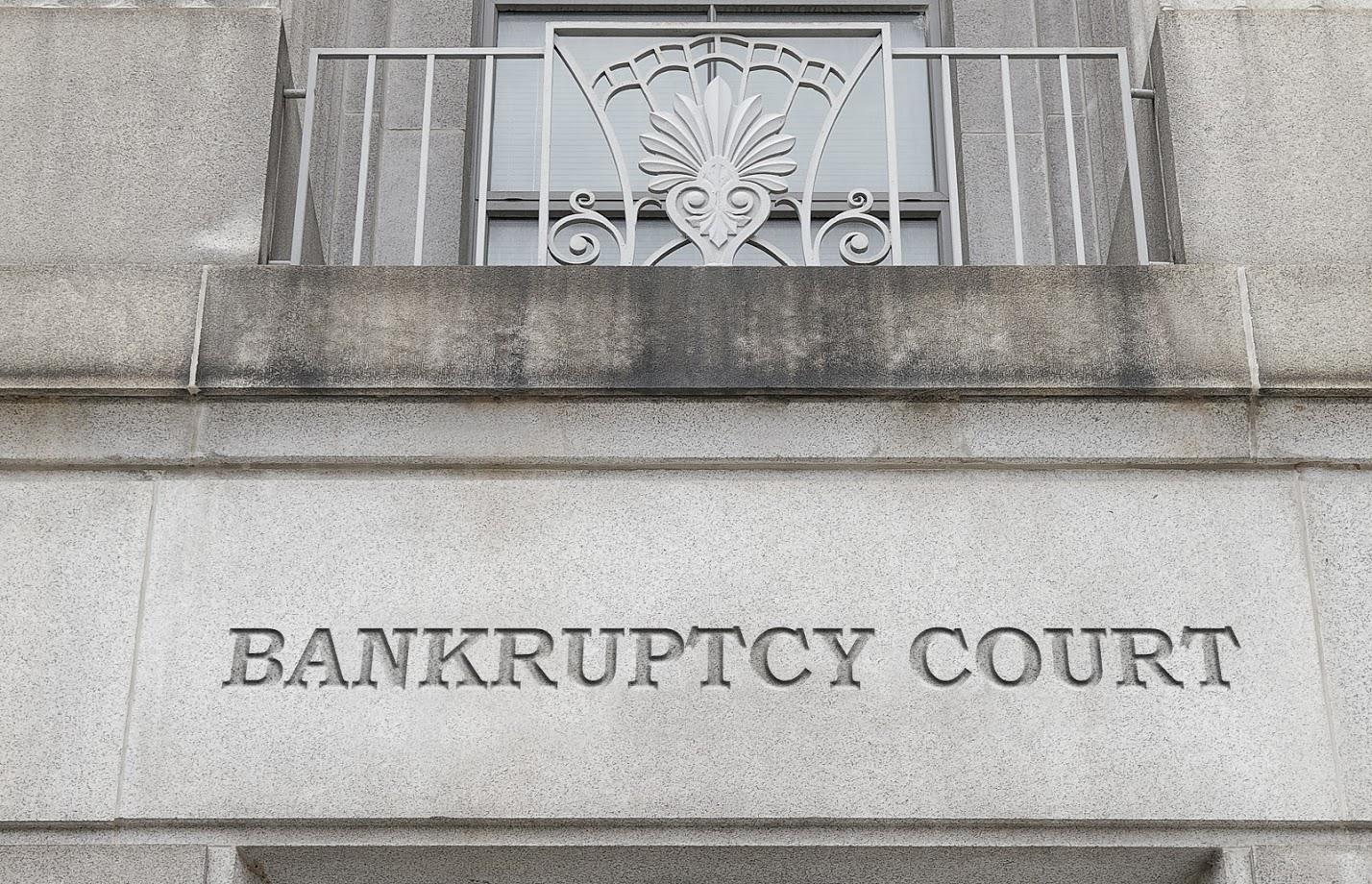
If you have previously filed for bankruptcy and you have found yourself in financial trouble for a second time, you may wonder if you are allowed to file for bankruptcy again. The following is some information you should know if you need help with your debt again.
If you need to deal with financial difficulties a second time through bankruptcy, it may be possible to file again. According to the bankruptcy code, you can file for bankruptcy again after a certain amount of time if your prior bankruptcy resulted in a discharge of your debt. If you file before your time limit is passed, you will not receive a discharge again.
By law, if you did not receive a discharge of your debt on your prior bankruptcy, you can file again without a waiting period.